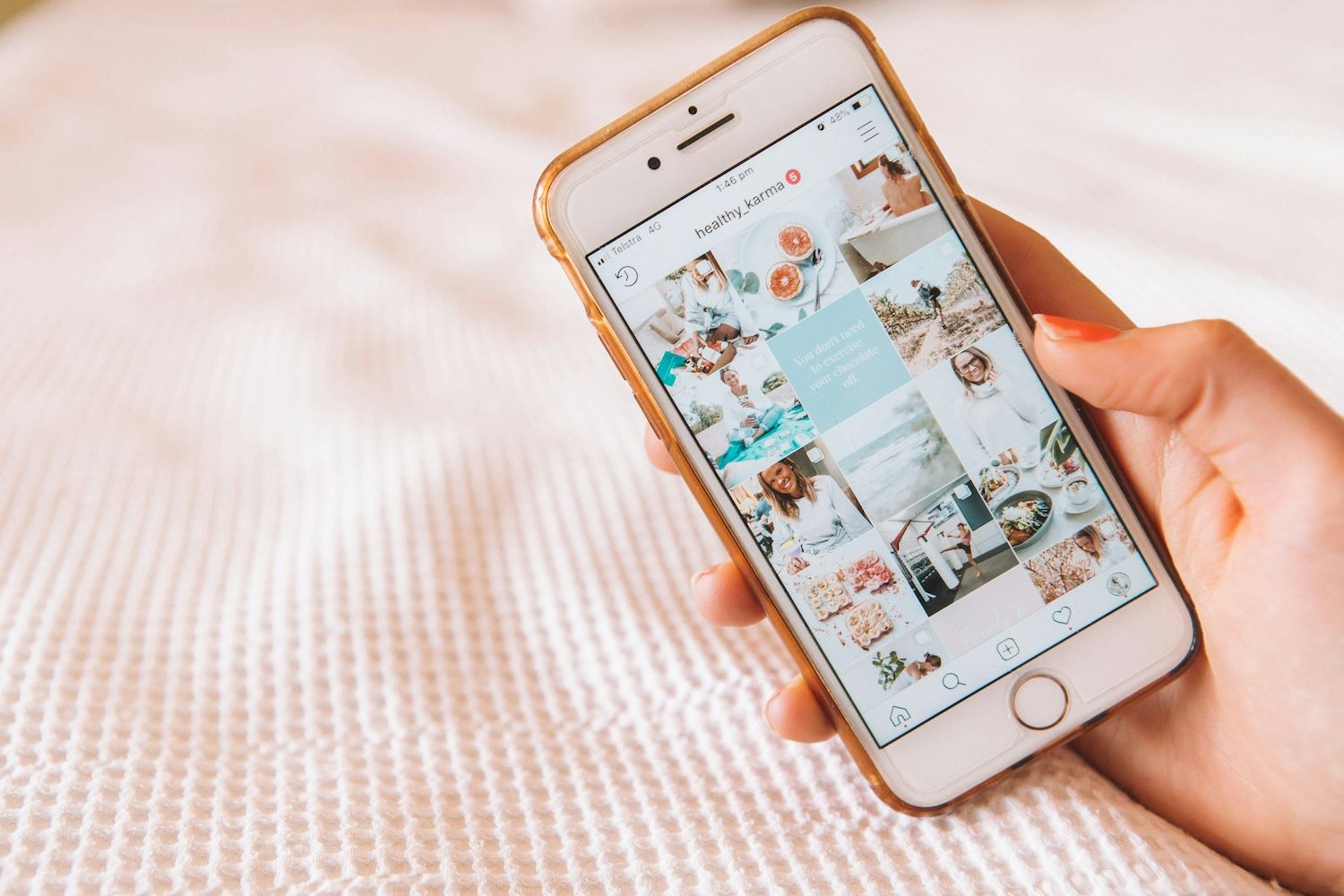
Micro-influencers have changed how brands connect with their target audiences. Unlike macro-influencers with millions of followers, micro-influencers typically have between 10,000 and 100,000 followers, and what they lack in reach they make up for in engagement and authenticity.
Micro-influencers generate up to 60% higher engagement rates than their macro counterparts, with audiences that genuinely trust their recommendations. For brands, that trust converts.
Below is the framework our brand partnerships team uses to build micro-influencer strategies that deliver.
1. Identify Your Target Audience with Precision
Before you reach out to a single influencer, you need to know exactly who you’re trying to reach:
- Who are you trying to reach? Define demographics, psychographics, and behaviours
- What are their pain points and aspirations? Understanding motivations drives better partnerships
- Where do they spend their time online? Instagram, TikTok, YouTube, or niche platforms?
- What content lands with them? Educational, entertaining, inspirational, or problem-solving?
Go beyond basic demographics when you build audience personas. The more specific you are, the better you’ll be at identifying influencers whose communities align with your brand.
2. Define Clear, Measurable Goals
Micro-influencer campaigns fail when brands chase vanity metrics instead of business outcomes. Define what success looks like:
Brand Awareness Goals
- Impressions and reach
- Brand mention growth
- Social media follower increase
Engagement Goals
- Comments, shares, and saves
- Website traffic from influencer content
- Time spent on branded content
Conversion Goals
- Sales and revenue (track with UTM parameters)
- Lead generation and email signups
- Promo code usage
Align your micro-influencer KPIs with your broader marketing objectives. If you’re in a growth phase, prioritise conversion metrics. If you’re launching a new product, focus on awareness and engagement.
3. Find the Right Micro-Influencers
This is where strategy meets execution. Work through manual discovery first, then use tools to widen the pool:
Manual Discovery Methods
- Search relevant hashtags and keywords on social platforms
- Explore your competitors’ tagged posts and comments
- Check who your existing customers follow and engage with
- Look at “suggested accounts” from relevant profiles
Use Influencer Marketing Tools
- BuzzSumo: Content and influencer discovery
- Upfluence: AI-powered influencer matching
- HypeAuditor: Audience quality and fraud detection
- AspireIQ: End-to-end influencer management
- Traackr: Relationship management at scale
Key Evaluation Criteria
- Engagement rate: aim for 3-8% minimum (calculate: (likes + comments) / followers × 100)
- Audience quality: use tools to check for fake followers and bot engagement
- Content quality: authentic, on-brand, and connects with their community
- Values alignment: their personal brand should complement yours
- Past partnerships: review previous sponsored content for quality and authenticity
Be wary of influencers with high follower counts but suspiciously low engagement, sudden follower spikes, or generic comments.
4. Build Authentic Relationships with Your Influencers
The most successful micro-influencer campaigns are built on genuine partnerships, not transactional relationships:
Before the Campaign
- Follow them on social media and genuinely engage with their content
- Share their posts (when relevant) with your audience
- Comment thoughtfully, showing you understand their content and community
- Send personalised outreach that references specific posts or themes
During the Campaign
- Provide creative freedom while maintaining brand guidelines
- Share their content on your channels (with credit)
- Engage with their sponsored posts authentically
- Offer exclusive perks: early product access, behind-the-scenes content, or special experiences
After the Campaign
- Continue the relationship even after contracts end
- Feature them in brand content or case studies
- Consider long-term ambassador programs
- Provide honest feedback and show appreciation
The best influencer relationships evolve into brand ambassadorships. These long-term partnerships deliver better ROI and create more authentic content.
5. Set Expectations in Writing
Ambiguity kills influencer campaigns. Before launching, establish:
Content Guidelines
- Number of posts/stories required
- Platform specifications (Instagram post vs. Reel vs. Story)
- Brand messaging and key points to include
- Required hashtags, mentions, and links
- Disclosure requirements (FTC compliance is non-negotiable)
Creative Direction
- Brand guidelines and visual standards
- Talking points and key messages
- What to showcase (and what to avoid)
- Tone and style preferences
- Approval process and revision rounds
Compensation Structure
- Payment terms (flat fee, commission, hybrid, or product exchange)
- Payment schedule and method
- Usage rights for content repurposing
- Exclusivity clauses (if applicable)
Timeline and Deliverables
- Content submission deadlines
- Posting schedule
- Reporting requirements
- Communication channels and response times
Always use written contracts. Include usage rights, exclusivity terms, performance expectations, and termination clauses.
6. Measure, Analyze, and Optimize
Data-driven decision making separates successful campaigns from wasteful spending:
Track These Metrics
- Reach & Impressions: How many people saw the content?
- Engagement Rate: Likes, comments, shares, saves
- Traffic: Use UTM parameters to track website visits
- Conversions: Sales, leads, signups (track with unique codes/links)
- Content Performance: Which posts/formats performed best?
- Audience Sentiment: Analyse comments and feedback
- ROI: Revenue generated vs. campaign investment
Tools for Measurement
- Google Analytics: Traffic and conversion tracking
- Social media native analytics: Platform-specific insights
- Influencer platform dashboards: Campaign-level reporting
- Social listening tools: Brand mention tracking and sentiment analysis
Optimisation Framework
- Week 1-2: Monitor performance closely, identify early trends
- Week 3-4: Double down on what’s working, adjust underperformers
- Month 2+: Scale winning partnerships, test new influencers
- Quarterly: Review overall program effectiveness and strategic direction
A performance scorecard for each influencer, covering engagement rate, conversion rate, cost per acquisition, and content quality, will surface your star performers for future campaigns.
Real-World Success Metrics
Well-executed micro-influencer campaigns can deliver:
- Engagement Rates: 3-10% (vs. 1-3% for macro-influencers)
- Cost Per Engagement: 50-80% lower than traditional advertising
- Conversion Rates: 2-5% (higher for niche products)
- ROI: $5.20 earned for every $1 spent (industry average)
- Trust Factor: 82% of consumers trust micro-influencer recommendations
One of our beauty brand clients achieved a 12x ROAS by partnering with 15 micro-influencers instead of one macro-influencer with the same combined budget. You can see the same approach at larger scale in our Ally Fashion case study, where an influencer program generated 1,000+ pieces of UGC from 100+ paid placements at 6x ROI.
Common Pitfalls to Avoid
Mistake: choosing influencers based solely on follower count. Fix: prioritise engagement quality and audience alignment.
Mistake: being overly controlling of content creation. Fix: trust influencers to speak authentically to their community.
Mistake: running one-off campaigns without continuity. Fix: build long-term relationships for sustained impact.
Mistake: ignoring disclosure requirements. Fix: always require proper sponsorship disclosure.
Mistake: failing to track performance metrics. Fix: set up full tracking from day one.
Getting Started: Your Action Plan
Use this roadmap to launch your micro-influencer program:
Week 1: Foundation
- Define target audience and campaign goals
- Allocate budget (recommend $5,000-$15,000 for initial test)
- Create influencer selection criteria
Week 2-3: Discovery
- Identify 20-30 potential micro-influencers
- Evaluate using your criteria
- Shortlist 10-15 top candidates
Week 4: Outreach
- Write personalised outreach messages
- Negotiate terms and finalize contracts
- Onboard selected influencers
Week 5-8: Execution
- Content creation and approval
- Campaign launch and monitoring
- Real-time optimisation
Week 9+: Analysis & Scale
- Measure results against goals
- Identify top performers
- Plan phase two with insights
The Future of Micro-Influencer Marketing
Consumers are increasingly sceptical of traditional advertising and celebrity endorsements, and they turn instead to trusted voices within their communities. That shift is why micro-influencer marketing keeps growing.
Brands that build genuine relationships with micro-influencers today end up with a network of advocates who actually use and recommend their products, an asset that compounds over time.
Working with WOMD on Influencer Campaigns
At WOMD, we’ve managed micro-influencer campaigns that have driven millions in revenue for DTC brands, eCommerce businesses, and service companies. Our proprietary matching technology and relationship management framework ensure you partner with influencers who deliver real business results. We often pair creator content with TikTok Ads so paid spend goes behind the posts that already work.
Get in touch to discuss how we can build a micro-influencer strategy around your brand.